Limited Time Discount! Shop NOW!
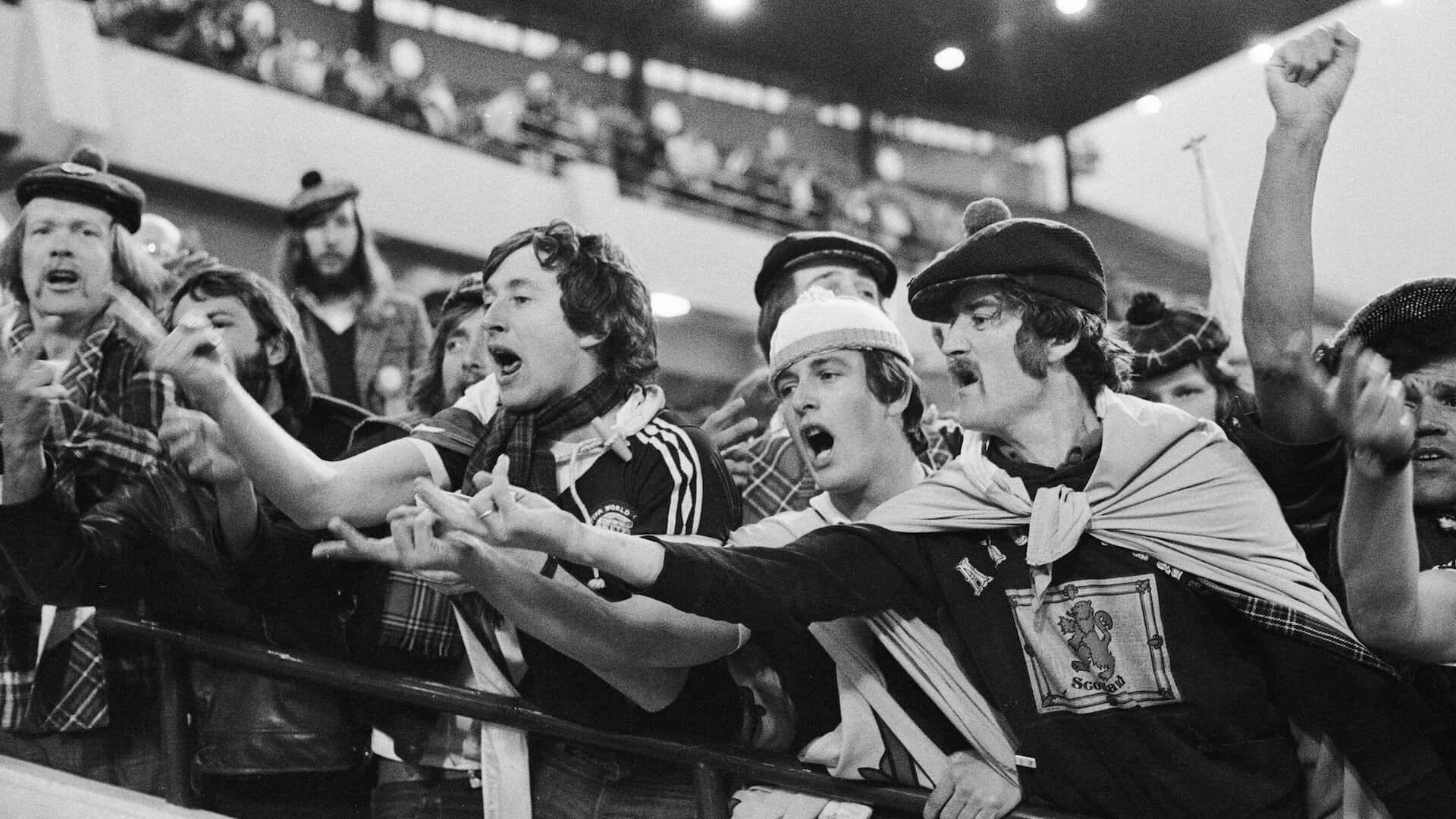
Argentina, 1978. A World Cup gave the Military Junta a chance to change global perceptions and put a positive spin on the image of a country that had waged war on activists, communism, trade unionists and journalists.
A 17-year-old Diego Maradona was deemed too young to be picked for his home World Cup, while Mario Kempes, Paolo Rossi and Michel Platini were all tipped to star. Meanwhile, Scotland were the sole representative from the British Isles in South America, with England missing out on qualification to Italy on goal difference. England’s campaign began with Don Revie in charge, before a falling out with the FA led to Ron Greenwood taking over.
Scotland arrived in Argentina with a wave of optimism. This was their time. Led by Ally McLeod in the dugout, the squad featured Britain’s most expensive player, Kenny Dalgish, European Cup winners Alan Hansen and Graeme Souness, FA Cup winners John Wark and George Burley, and First Division winners Kenny Burns, Archie Gemmill, John McGovern and John Robertson. And that’s before you even mention Lou Macari, Sandy Jardine and Bruce Rioch.
There would have been two representatives from Leeds in Joe Jordan and Gordon McQueen, had they both not departed for the wrong side of the Pennines earlier that same year. This was just three years after Billy Bremner’s infamous lifetime ban by the SFA — and three years after Bremner, Peter Lorimer and Eddie and Frank Gray featured in the European Cup Final.
Scotland were in ‘the good old days’ and it was hard to see how they’d ever stop, given the level of talent consistently being produced north of the border.
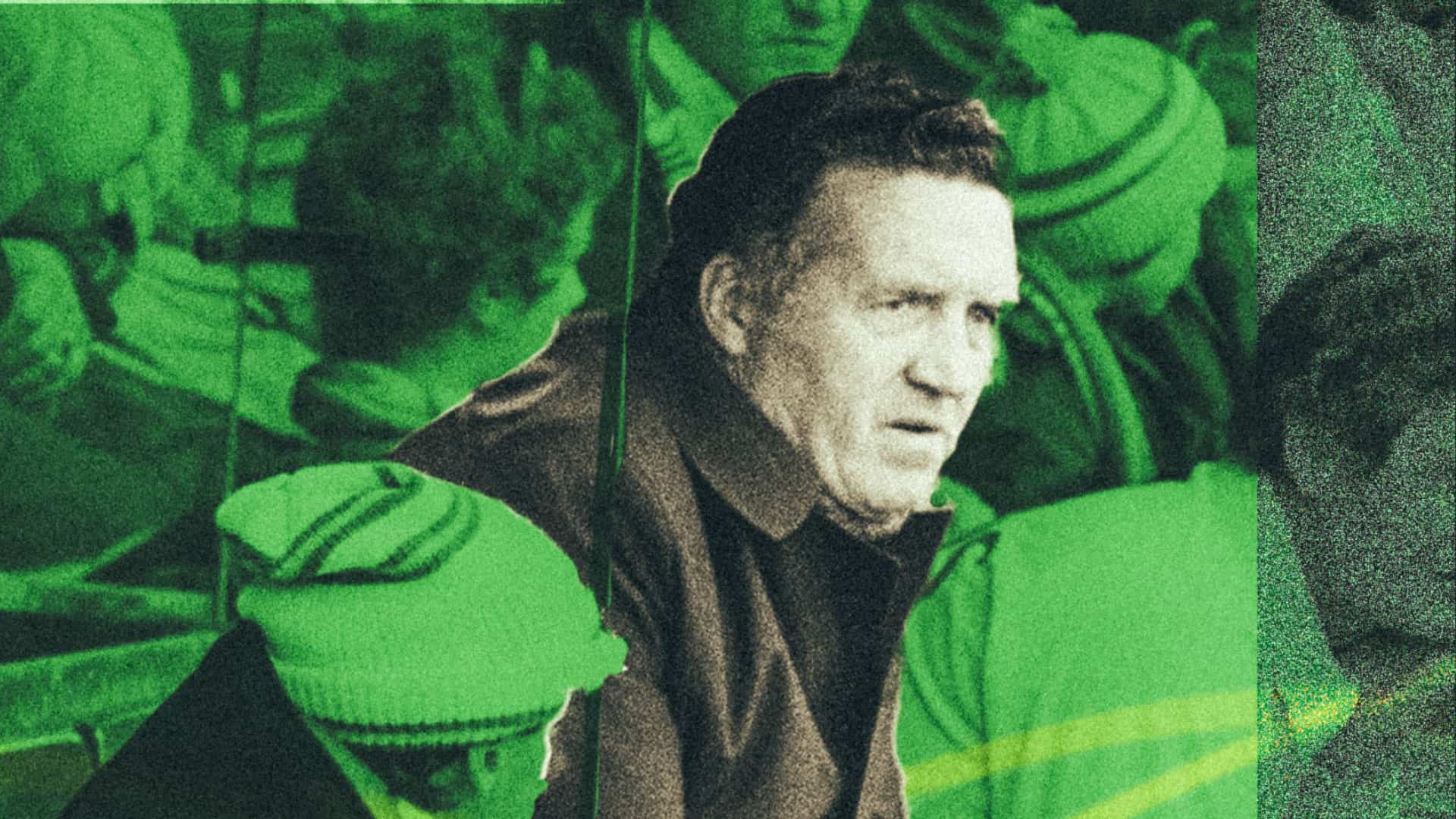
Leeds were struggling in the aftermath of the great Revie team, sacking Jimmy Armfield at the end of 1977/78 season having finished 9th. They hired Celtic icon Jock Stein to replace Armfield, with the butterfly effect of what followed impacting that move and LUFC for years to come.
Meanwhile, Ally McLeod was a cult of personality, telling journalists upon his appointment, “I am Ally McLeod and I am a winner,” before boldly announcing he’d made space in his wardrobe for a World Cup medal.
The infamous victory over England at Wembley, plus qualification for both Euro 76 and World Cup 78 had the Scottish FA believing the balance of power had tipped. It was hard to argue against that sentiment.
At this point I should confess that as I wasn’t born until 1995, I’ve leant on my dad, who was born in 1965, for his account of the halcyon days of Scotland and Leeds United. Imagine it’s the mid-70s. You’re born to Scottish parents and you’re in Leeds. Life is going to be like this forever, right? Right?
For all the bravado of McLeod, he’d forgotten one crucial factor: Scotland’s propensity to do the unthinkable — in a bad way. Much like Leeds, Scotland as a footballing institution love nothing more than glorious failure, the sort that leaves you in a cold sweat in the middle of the night decades after the event.
Despite all of the positivity as 25,000 fans waved them off from Hampden as they headed for the airport, reality soon struck.
In 1978, the World Cup featured two group stages — much like Leeds’ Champions League campaign of 2000/01 — with only the top two making it through each stage. Scotland were seeded in pot three, meaning that the odds were likely to be stacked against them from the get-go.
First up was Peru, a South American side full of flair and direct running, who ran over Scotland entirely. Chalk that one up to experience and go again, right?
Next up, Iran. Firmly in pot four, a country deeply dissatisfied as the seeds of the Iranian Revolution were being sewn. It was their first ever World Cup appearance and would be their last for another twenty years, which meant it was about as ‘must win’ as a World Cup fixture can possibly get.
Scotland, naturally, laboured to a 1-1 draw. They were denied a blatant penalty, perhaps could have had another for a handball, and arguably had a goal wrongly chalked off, but it was the sort of drab performance that gets you nowhere.
The result meant they headed into the final group game against Netherlands, of Total Football fame, needing to win by three clear goals to qualify.
Scotland hit the bar early on and then had a goal wrongly disallowed for offside, in what was quickly becoming apparent was a completely cursed tournament. Scotland then conceded a daft penalty before Dalglish restored parity by rifling one in from close range.
Gemmill scored a penalty just after half-time and then, like a man possessed, he jinked past one, sending the Netherlands defence to the shops, and strode forward into the box before wrapping his big left boot around the ball and scoring one of the greatest World Cup goals of all time.
Twenty-two minutes remained. Scotland were one goal from qualification against all odds, in their toughest game of the group. For four brief minutes, the entire nation of Scotland felt like Homer Simpson as he skateboards over Springfield Gorge: “We’re gonna make it, we’re actually going to make it!”
Before gravity does its thing and sends Homer crashing to into the great void below. That’s where Scotland’s campaign ended, probably their best ever squad sent packing having barely got going in Argentina despite all of the fanfare, hope, expectation and posturing.
Fast forward to the summer and Jock Stein was finally in situ at Elland Road, with the hope being that the former Celtic manager could lean on his European Cup win at Parkhead and bring a winning mentality back to Leeds.
However, Ally McLeod only lasted one more game as Scotland manager following the tournament, leading to a phone call being made to the manager’s office at Elland Road from the Scottish FA.
Stein matched Brian Clough’s 44 days in charge at Leeds, though it ended in much more amicable circumstances, but it left United in between ideas and what had become the post-Revie malaise had settled into a full-scale decline by the time the 80s rolled around.
READ: 44 Days — Another Damned United
Given what followed throughout that decade, with Bremner eventually returning to Leeds as manager before Howard Wilkinson finally reignited the club and delivered the first success since Revie departed, it’s hard to argue that what happened with Scotland in Argentina in 1978 didn’t have a monumental impact on Leeds United.
If Scotland had simply beaten Iran in their second game, McLeod most likely retains his job through the next qualifying campaign and Stein is afforded the time to build a Leeds team in his image. And maybe the decline towards relegation in 1982, with Allan Clarke in the dugout, never happens.
Supporting Scotland and Leeds isn’t doing football on easy mode, given the relative disappointments of both over the years. It was only last week that I was able to celebrate the first goal ever scored by Scotland in a World Cup in my lifetime — and their first for 36 years.
I’ve been kept alive by the association of Gary McAllister, Rob Snodgrass, Ross McCormack and Liam Cooper in the intervening years, with international fixtures usually meaning little more than a rest from the ongoing misery of Leeds United for most of my life.
But somehow, some way, 2026 is a year when Leeds have comfortably stayed in the Premier League and Scotland are featuring at a World Cup, where they have a genuine chance at reaching the knockout stages for the first time in their eighth attempt.
There are strange parallels to France 98, where they faced both Brazil and Morocco. Typically, that didn’t end well.
Football to me is about so much more than winning. It’s about the stories that sit in between every footballer and every fan. It’s about the ‘what if?’ moments, the hope, the hundreds of times you pray that maybe this time it’ll be different, maybe all the bad things won’t happen, and the one good thing will happen.
If Scotland do manage to find the escape hatch from the group stage and make it to the knockouts, it’ll be for so many that have gone before. For Bremner, Lorimer, Gray, Dalglish, McAllister, Strachan, Snodgrass, Stein and McLeod. If hope is the currency of football, then their past endeavours prove that the exchange rate for success is steep. ⬢
£3.00

£12.00
£16.00