Limited Time Discount! Shop NOW!
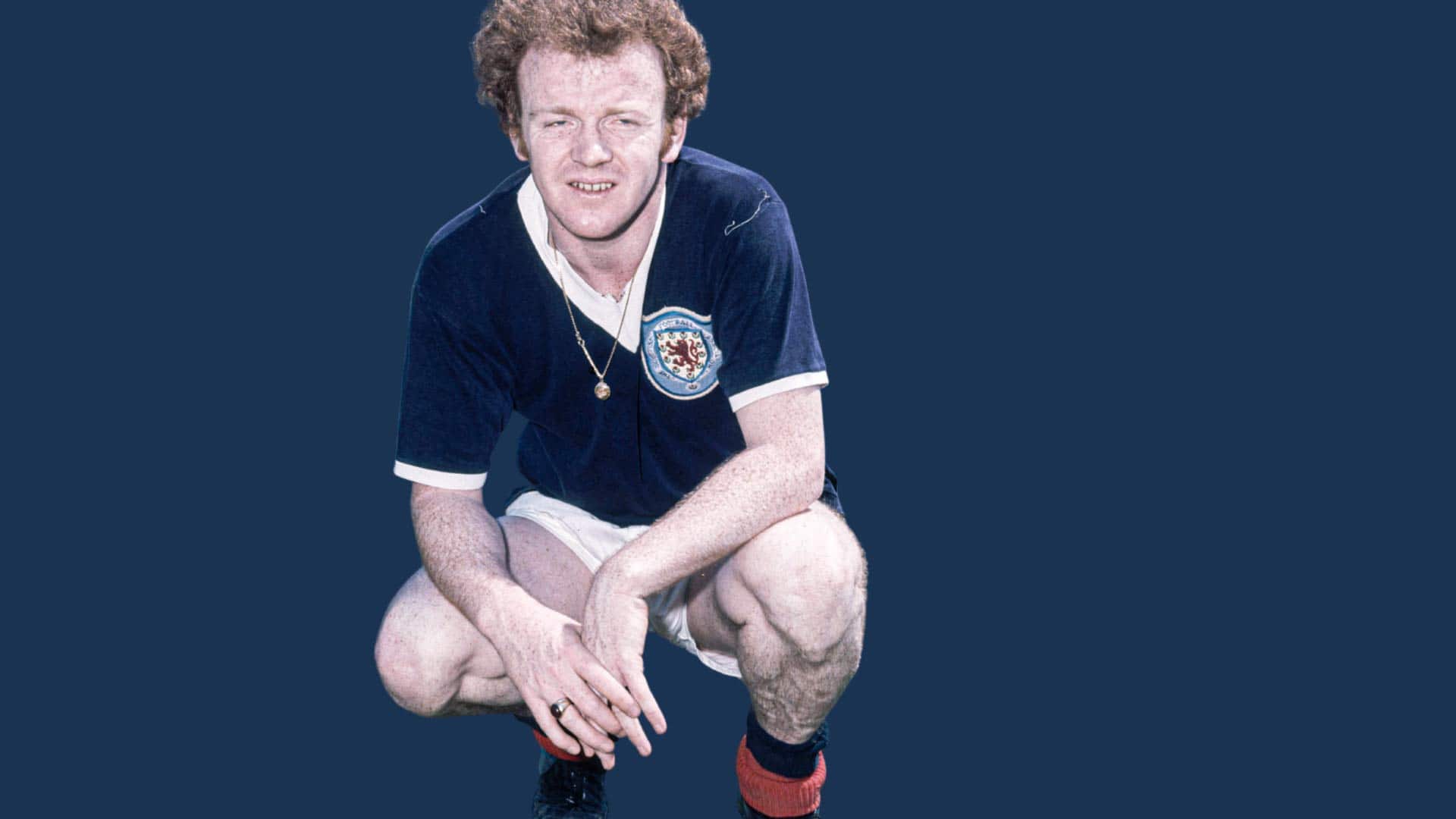
Billy Bremner dreamed of representing Scotland at a World Cup, yet on the eve of their first appearance at the tournament in sixteen years, journalists at a press conference couldn’t help notice Bremner seemed subdued. After some coaxing, he eventually told them his problem: the reporters sitting in front of him.
Bremner nearly missed captaining Scotland in 1974 when, during a trip to Norway, a curfew-breaking drinking session alongside teammate Jimmy Johnstone in a student bar hit the news. He shouldn’t have been surprised; among the crowd in the bar treated to ‘a bout of community singing’ were some of the same journalists in the press conference now. This story came a month after Johnstone was saved by coastguards off the shore of Largs, when another squad night out ended with him commandeering a rowing boat at 6am and drifting out to sea, singing ‘Michael Row The Boat’, not realising he had no oars.
Scotland boss Willie Ormond insisted neither Bremner nor Johnstone were going to be sent home. He stood by his captain, although Johnstone didn’t play a single minute at the World Cup.
Celtic boss Jock Stein was sitting in the press conference, working as a TV pundit for the BBC. ‘I honestly used to tremble when I was in his company,’ Bremner said of Stein in his biography ‘Keep Fighting’. Stein clenched a fist, ‘and told me that, if anybody could influence the players into performing for pride, it was me, and that I should stop moaning and get on with proving the press boys to be exactly what I thought they were.’
Bremner did as he was told, orchestrating a 2-0 win over Zaire. Scotland’s squad was considered among the most talented at the tournament, featuring Old Firm legends Sandy Jardine and Danny McGrain, an emerging Kenny Dalglish, and an ageing Denis Law. Its spine relied on the Leeds team that had just stormed to the title with a record-breaking 29 match unbeaten run: David Harvey in goal, Bremner in midfield, Peter Lorimer and Joe Jordan in attack.
Lorimer scored the opener against Zaire, crashing a trademark volley into the far corner and celebrating by applauding himself. Jordan spent the game bulldozing Zaire players to the ground, heading in the second when the defenders gave up trying to stop him. Later in the tournament, a Spanish commentary team gave Jordan the appropriate nickname ‘El Tanque’ — The Tank.
Wary of the heat in West Germany and tough upcoming group matches against Brazil and Yugoslavia, Scotland eased off in the second half. It was the year of Total Football. Scotland’s World Cup song was a glam rock stomper titled ‘Easy, Easy’. Bremner repeated the iconic keep-ball of Leeds’ 7-0 win against Southampton two years earlier, casually backheeling the ball to teammates. Lorimer entertained himself, nutmegging defenders. When the fans in Dortmund started booing Scotland’s nonchalance, Bremner responded with a series of kick-ups.
Reigning champions Brazil were next, Scotland impressing in a 0-0 draw they dominated. Pele had retired from internationals, but reserved praise for Bremner while working as a pundit. The two had earned each other’s respect in a friendly in 1966, when Bremner wiped out Pele, who responded by giving Bremner a black eye. Brazil’s greatest said it was the performance of “the best midfielder in the World Cup”, telling The Times: “I really was impressed with Bremner, he is a great improviser and a very good leader of his team.”
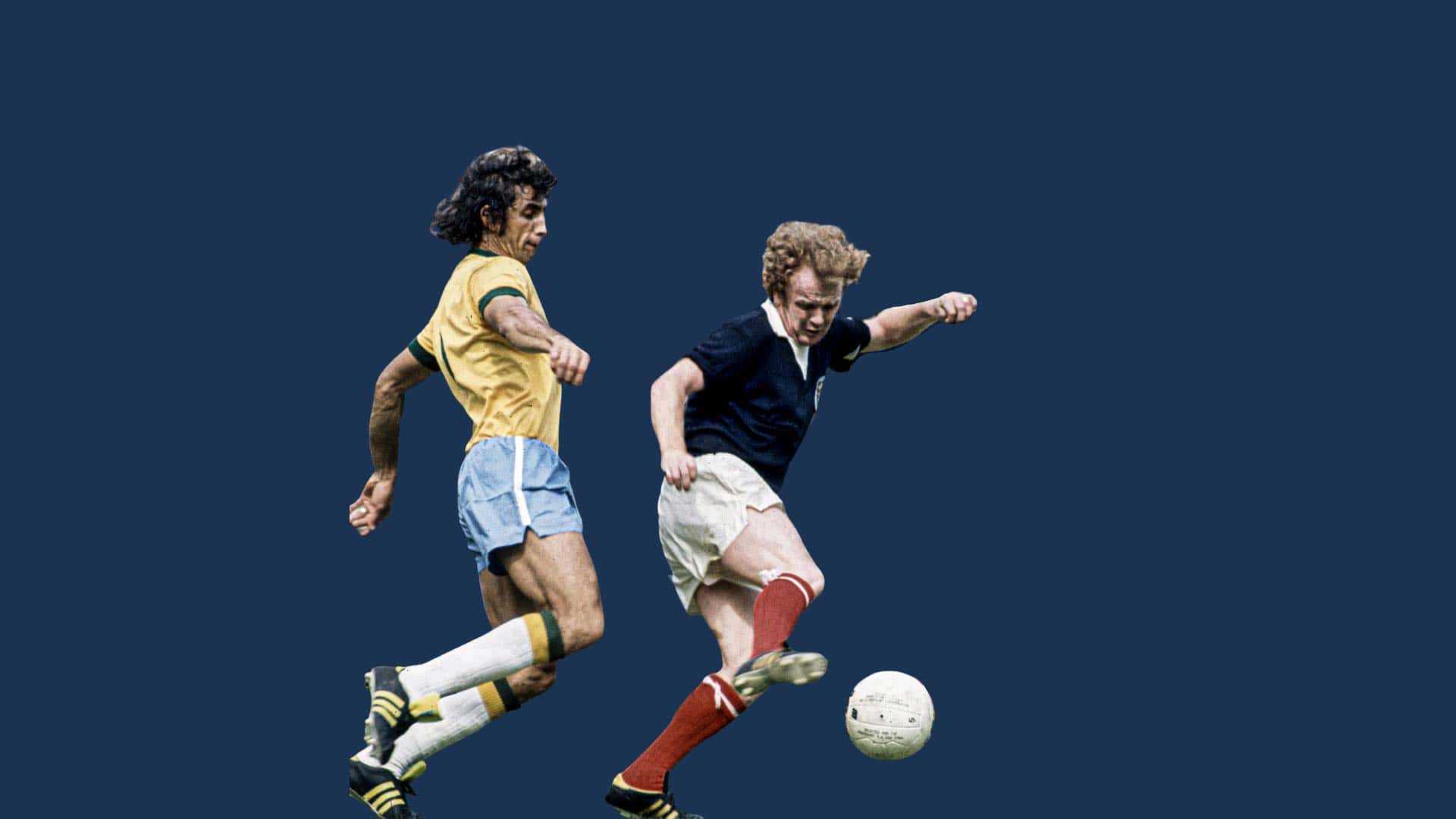
But Scotland were unable to enjoy the result when they learned Yugoslavia had thrashed Zaire 9-0. There were rumours before the match Zaire were threatening to strike over missing payments. They failed to dispel that notion when, losing 3-0 after twenty minutes, their manager Miljan Miljanic — a former Yugoslavia international — brought on a 5ft 6in goalkeeper. He conceded a fourth within sixty seconds. Now Bremner could only think about the chance he had missed against Brazil, when Jordan’s header was saved and parried to him inside the six-yard box, the ball ricocheting off his shins and trickling wide.
Scotland could still qualify with a draw against Yugoslavia, provided Brazil didn’t beat Zaire by three goals. Playing in all white, Lorimer had a shot cleared off the line. With ten minutes to go, Yugoslavia went in front. Driven forward by Bremner, Scotland refused to give up. In the dying moments, a brilliant team move sent the ball to Jordan at the back post. He flicked it up and volleyed an equaliser. At full-time, Scotland were ready to celebrate qualifying, until discovering Brazil had scored a third goal late in their game against Zaire. Scotland were out at the group stage, yet ended the tournament as the only unbeaten team.
Knowing it was his first and likely last chance to appear at a World Cup, Bremner was heartbroken. In ‘Keep Fighting’, he names the miss against Brazil as the one moment of his career he would change. ‘The miss has haunted me but, as they say, it is history now and no matter how many times I watch it, the ball will never go in.’
In Bernard Bale’s biography, ‘Bremner!’, Billy remembers: ‘If only we had been more ruthless against Zaire. If only that goal had gone in against Brazil. You think of things like that for weeks afterwards, but it doesn’t change anything. We had been, but we had not conquered.’ ⬢
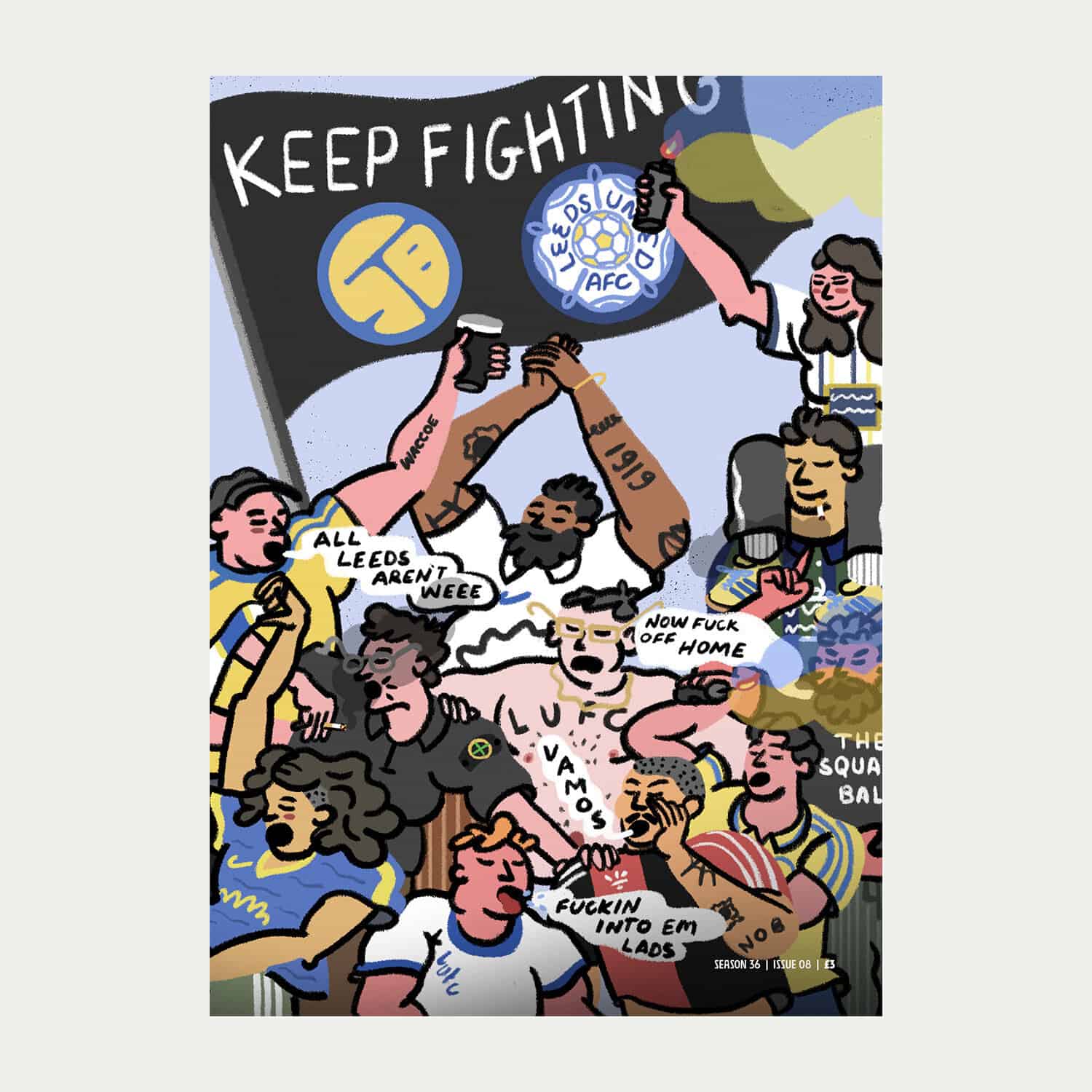
Originally published in The Square Ball’s mini World Cup special in 2022. Get one of the last remaining copies here.
£3.00

£12.00
£16.00